|
|
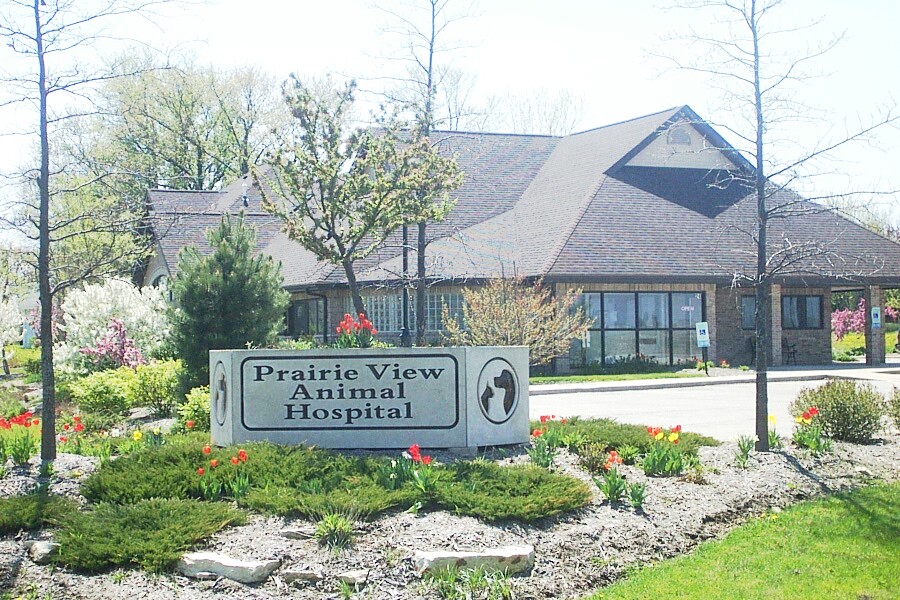
Prairie View Animal Hospital
24 Rich Road, DeKalb, IL 60115
(815) 756-9976




(815)756-9976
www.pvahosp.com
|
We understand the special role your pet plays in your family and are dedicated to becoming your partner in your pet's health care. We treat your pet as we would our own. Our goal is to practice the highest quality medicine and surgery with compassion and an emphasis on client education. Our entire healthcare team is committed to providing personal attention to the unique concerns of each individual pet owner.
At this site, you will find information about our practice philosophy, our services, Helpful Forms to assist you and an extensive Pet Medical Library for you to search for additional pet health care information. You can also schedule an appointment here.
PVAH serves families in the DeKalb County area including the towns of DeKalb, Sycamore, Cortland, Rochelle, Genoa, Kirkland, and all other surrounding cities.
Thank you for taking the time to read about our veterinary practice and the services we offer. We welcome your comments and suggestions. Please contact us at (815) 756-9976 for all your pet health care needs.
|

 Processing ....