|
What You Need to Know Before Your Pet's Upcoming Surgery:
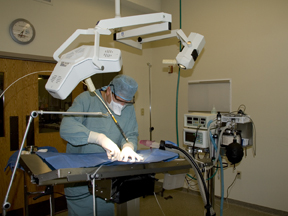
Many people have questions about various aspects of their pet's surgery, and we hope this information will help. It also explains the decisions you will need to make before your pet's upcoming surgery.
Is the anesthetic safe?
Today's modern anesthetic procedures have made surgery much safer than in the past. Here at Prairie View Animal Hospital, we do a thorough pre-surgical exam on your pet before administering anesthetics, to ensure that a fever or other illness will not be a problem. We also adjust the amount and type of anesthetic used depending on the health of your pet.
Preanesthetic blood testing is important in reducing the risk of anesthesia. It is required that every pet have blood testing before surgery to ensure that your pet can properly process and eliminate the anesthetic. We run tests to confirm that your pet's organs are functioning properly and to reveal any hidden health problems that would put your pet at risk. If there is a problem, it is much better to find it before it causes anesthetic or surgical complications. Animals that have minor dysfunction will handle the anesthetic better if they receive IV fluids during surgery. If serious problems are detected, surgery can be postponed until the problem is corrected. These tests can also provide baseline levels for your pet and become part of their medical record for future reference.
There are several types of preanesthetic panels that can be performed. We offer an in house panel that can be performed right before anesthesia is administered. This panel checks for liver function, kidney function, hydration status, and anemia. If you would like more information about your pet's health status, we can send out a more thorough panel to our outside laboratory (Idexx). This panel checks the same functions as the in house panel plus electrolyte levels, CBC, and for geriatric patients we can send a panel that includes a T4 for thyroid function. For geriatric or ill pets, additional blood tests, electrocardiograms, or x-rays may be required before surgery as well.
It is important that surgery be done on an empty stomach to reduce the risk of vomiting during and after anesthesia. You will need to withhold food for at least 8 to 10 hours before surgery. Water can be left down for the pet until the morning of surgery.
Will my pet have stitches?
For many surgeries, we use absorbable sutures underneath the skin. These will dissolve on their own, and do not need to be removed later. Some surgeries do require skin stitches that need to be removed at a later date. With either type of suture, you will need to keep an eye on the incision for swelling or discharge. Most dogs and cats do not lick excessively or chew at the incision, but this is an occasional problem for which you will need to watch. If there are skin sutures, these will usually be removed 10 to 14 days after surgery. You will also need to limit your pet's activity level for a few days and no baths are allowed for the first 10 days after surgery.
Will my pet be in pain?
Anything that causes pain in people can be expected to cause pain in animals. Pets may not show the same symptoms of pain as people do; they usually don't whine or cry, but you still want to limit their activity after surgery. Pain medications will depend on the surgery performed. Major procedures require more pain relief than procedures such as minor lacerations.
For dogs, we routinely send home an oral anti-inflammatory medication for a few days after the surgery to lessen the risk of discomfort and swelling. We use newer medications, which are less likely to cause stomach upset. Recent advances in pain medications have allowed for better pain control in dogs and cats than ever before. We administer a pain injection prior to surgery. After surgery, pain medication is given on a case by case basis. Any animal that appears to be in pain will receive additional pain medication.
What other decisions do I need to make?
Laser surgery is an available option. In many procedures, the laser can replace the scalpel blade and provide a better alternative to traditional surgery. Laser surgery provides less pain, less bleeding, and less swelling. With the laser there is a reduced risk of infection, provides precision to the surgery, and allows a quicker return to normal activities. Please visit www.petlasers.com for more information.
While your pet is under anesthesia, it is the ideal time to perform other minor procedures, such as ear cleaning or implanting an identification microchip. All animals under anesthesia receive a complimentary nail trim. If you would like an estimate for your requested services prior to dropping your pet off, please call ahead. This is especially important if the person dropping the pet off for surgery is not the primary decision maker for the pet's care.
When you bring your pet in for surgery, we will need 10 minutes of your time to fill out paperwork and make any other necessary decisions. When you pick up your pet after surgery you can also plan to spend about 10 minutes to go over your pet's home care needs. We will also call you in the afternoon after the surgical procedure is complete to give you an update.
Additionally, we will call you the night before your scheduled surgery appointment, to confirm the time you will be dropping your pet off and to answer any questions you might have. In the meantime, please don't hesitate to call us with any questions about your pet's health or surgery.
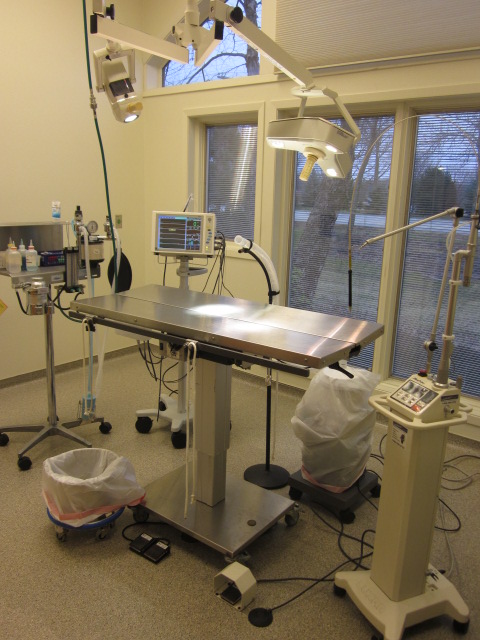 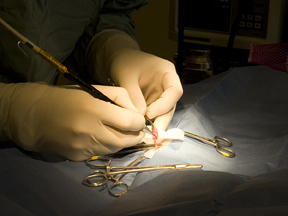
| 




 Processing ....